
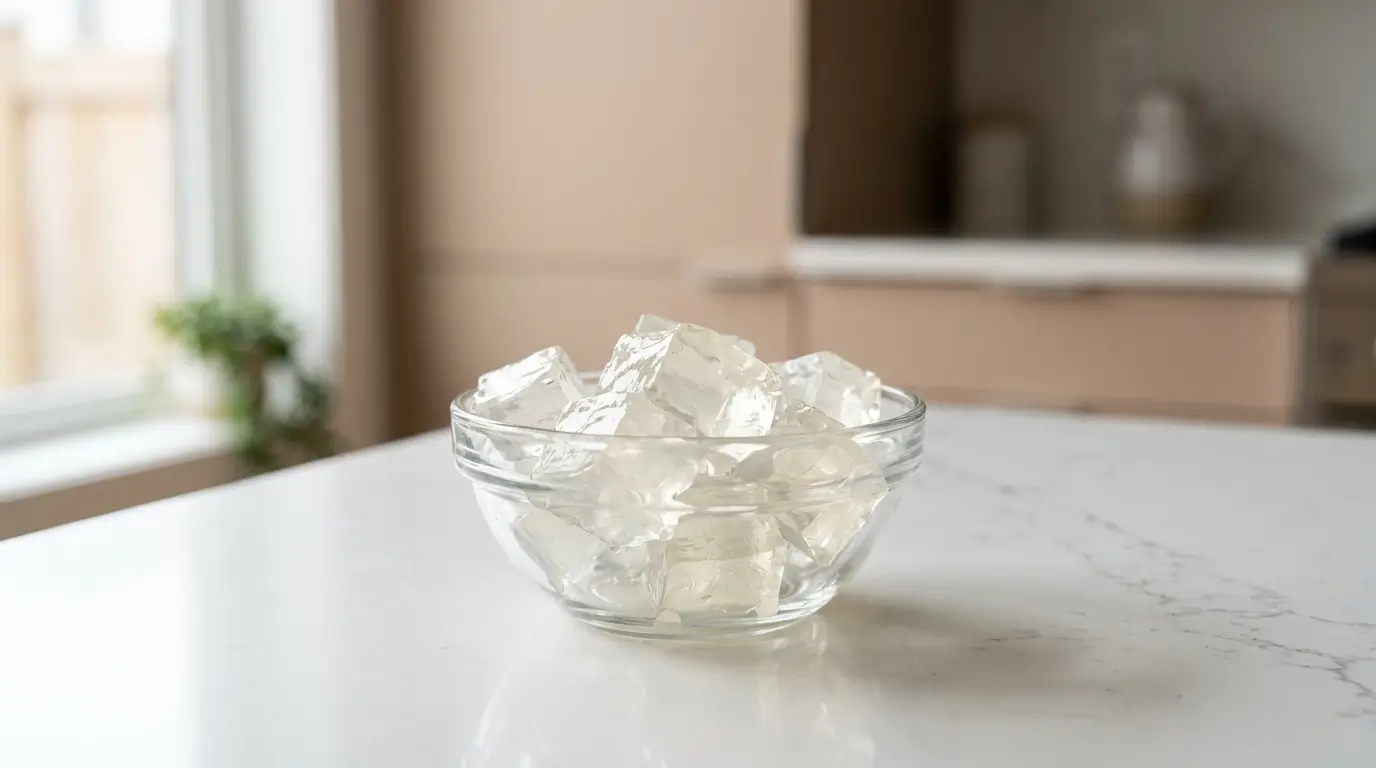
The Gelatin Weight Loss Trick 2026 has taken over TikTok feeds, bariatric forums, and wellness blogs around the world, leaving millions of people wondering whether this simple, low-calorie staple could finally be the shortcut they have been looking for. Before you clear your fridge for gelatin cups, let’s separate viral hype from verified science — and find out what the evidence actually says.
In this in-depth guide, we break down what the gelatin trick involves, what nutritional research says about its effects on appetite and metabolism, how experts view the trend, and — most importantly — who can realistically benefit from it.
What Is the Gelatin Weight Loss Trick 2026?
The Gelatin Weight Loss Trick 2026 is not a single protocol — it is an umbrella term covering several eating strategies that use plain or flavored gelatin as a low-calorie, high-protein substitute for more calorie-dense snacks or meals. Understanding where the trend comes from helps you evaluate how reliable it actually is.
The Origins of the Trend
Gelatin-based diets are far from new. Physicians and nutritionists have recommended plain gelatin as a low-impact protein source for decades, particularly in post-operative and liquid diet phases. What changed in 2025–2026 is how the content reached mass audiences: short-form video creators began sharing dramatic before-and-after results attributed solely to replacing evening snacks with a bowl of unsweetened gelatin, and the algorithm did the rest.
Search interest for terms like gelatin weight loss trick, gelatin diet plan, and bariatric gelatin recipe surged in late 2025 and peaked in early 2026, according to multiple keyword tracking platforms.
The TikTok and Social Media Effect
On TikTok, the trend spread through two distinct communities. The first is the general wellness community, where creators film themselves eating gelatin cups as a late-night dessert replacement and attribute reduced cravings to the habit. The second is the bariatric community, where patients recovering from weight-loss surgery use specially formulated gelatin to meet protein targets during recovery.
The viral crossover between these two audiences created significant confusion: what works as a structured dietary tool for post-surgical patients is not automatically an effective fat-loss strategy for the general population.
The Bariatric Adaptation Explained

In bariatric medicine, gelatin — particularly protein-enriched versions — serves a specific clinical function. After procedures like gastric sleeve or gastric bypass surgery, patients must consume adequate protein within very small meal volumes. Gelatin is easy to digest, requires minimal preparation, and can be fortified with collagen peptides or whey isolate to significantly boost protein content.
If you want to explore the clinical version of this approach, our complete guide to bariatric gelatin recipes explains exactly how it differs from standard flavored products. For a broader overview, see our article on what bariatric gelatin means and how it is used.
Myth vs. Structured Diet: A Critical Distinction
The core misunderstanding driving the gelatin weight loss trend is the conflation of two very different things: using gelatin as a calorie-displacement tool within a structured, calorie-conscious diet, and treating gelatin as a standalone fat-burning food. The first approach has a rational nutritional basis. The second does not.
No peer-reviewed study has demonstrated that gelatin itself triggers fat oxidation or directly stimulates fat loss independent of overall calorie balance. The results people report online are almost always the product of replacing a 300–500 calorie snack with a 20–30 calorie gelatin cup — a simple caloric deficit, not a metabolic miracle.
Does Gelatin Actually Help With Weight Loss?
This is the most searched question around the trend, and it deserves a nuanced, evidence-grounded answer. The short version: gelatin does not cause weight loss on its own, but it has several nutritional properties that can support a weight management strategy when used correctly.
Satiety and Appetite Control
One of the most cited reasons for gelatin’s appetite-suppressing reputation is its effect on gastric emptying. Gelatin forms a gel-like consistency in the stomach, which slows the rate at which the stomach empties its contents into the small intestine. This process — known as delayed gastric emptying — is associated with a prolonged sensation of fullness after eating.
Protein Content and the Satiety Effect
Standard commercial gelatin contains approximately 1.5–2 grams of protein per 10-gram serving — a modest amount that is sufficient to trigger the protein satiety effect to a limited degree. When gelatin is enriched with collagen peptides or other protein sources, as in bariatric formulations, protein content can rise to 10–15 grams per serving, which is nutritionally meaningful.
Protein is consistently the most satiating macronutrient. Even a moderate protein boost between meals has been shown in multiple studies to reduce subsequent caloric intake. However, it is critical to note that gelatin is an incomplete protein — it lacks tryptophan and is low in several essential amino acids, meaning it cannot serve as a primary protein source in any diet.
Calorie Density: The Real Weight Loss Mechanism

The most straightforward and scientifically solid argument in favor of using gelatin for weight management is its exceptionally low calorie density. A standard 100-gram serving of prepared gelatin contains between 60 and 80 calories depending on the recipe and any added sweeteners. This makes it one of the most effective low-calorie dessert alternatives available.
When someone replaces a 400-calorie ice cream serving with a 70-calorie gelatin cup four times a week, they create a weekly caloric deficit of approximately 1,300 calories — enough to contribute meaningfully to weight loss over time, entirely independent of any special metabolic property of gelatin itself.
Digestion Speed and Blood Sugar Response
Gelatin has a negligible glycemic index, meaning it does not cause significant blood sugar spikes. For individuals managing insulin resistance or trying to reduce sugar cravings, substituting high-glycemic snacks with gelatin may help stabilize blood glucose patterns and reduce the frequency of cravings driven by blood sugar fluctuations. The digestion speed of gelatin is also relatively slow compared to simple carbohydrates, contributing further to sustained satiety.
What Experts Say About the Gelatin Weight Loss Trend in 2026
We reviewed commentary from registered dietitians, bariatric nutritionists, and sports nutrition researchers to present a balanced, non-sensationalized picture of how professionals view this trend.
No Official Medical Endorsement
No major health organization — including the Academy of Nutrition and Dietetics, the World Health Organization, or any national bariatric medicine association — has endorsed the Gelatin Weight Loss Trick 2026 as a clinically validated weight loss strategy. This does not mean it is harmful; it means the scientific community has not prioritized it as a research area relative to other evidence-based interventions.
Works as a Calorie Replacement — Not a Fat Burner
Nutritionists who comment favorably on the gelatin trend frame their support narrowly and specifically: gelatin can be a useful calorie replacement tool for people who struggle to find satisfying low-calorie snack options. The emphasis is on the word “replacement.” Gelatin does not accelerate the body’s fat-burning mechanisms, does not boost metabolic rate, and does not selectively target visceral or subcutaneous fat.
Practitioners in the bariatric field tend to view gelatin more favorably than general dietitians because their patients operate under strict post-surgical protocols where easy-to-digest, low-volume, protein-containing foods are actively prioritized.
The “Magic Food” Problem
Several nutrition psychologists have flagged a concern specific to viral food trends: when people attribute weight loss to a single food rather than to the behavioral changes that food enables, they are more vulnerable to abandoning the approach the moment results plateau. Gelatin is not a magic fat burner — calling it one sets people up for disappointment and potentially for more extreme compensatory behaviors.
Experts recommend framing gelatin as a dietary tool, not a solution — a distinction that has meaningful implications for long-term adherence and psychological relationship with food.
Gelatin vs. Other Weight Loss Trends in 2026
To contextualize the gelatin trick, it helps to compare it directly with other popular weight loss methods circulating in 2026. The table below evaluates each approach across five dimensions that matter for real-world outcomes.
| Method | Calorie Level | Satiety Effect | Sustainable Long-Term? | Risk Level | Evidence Base |
|---|---|---|---|---|---|
| Gelatin Weight Loss Trick 2026 | Low (60–80 kcal/serving) | Moderate | Moderate — easy to maintain | Low | Indirect (calorie deficit mechanism) |
| Juice cleanse | Very low (300–600 kcal/day) | Low | Low — very hard to sustain | Medium | Weak — no long-term data |
| Extreme fasting (<500 kcal/day) | Very low | Low | Low — high dropout rate | High | Limited — high rebound risk |
| Intermittent fasting (16:8) | Normal within window | Moderate to high | High for many people | Low to medium | Strong — multiple RCTs |
| High-protein diet | Moderate | High | High | Low | Strong — extensive research |
What the table illustrates clearly is that the gelatin trick sits in a favorable position for risk level and ease of adoption — even if its evidence base is weaker than established approaches like intermittent fasting or high-protein diets. For people who need a low-barrier entry point into healthier eating habits, it is a sensible starting tool.
Curious how gelatin compares specifically to collagen-based supplements? Our dedicated comparison of bariatric gelatin versus collagen covers the biochemical differences, protein profiles, and practical use cases in detail.
Who Should Avoid the Gelatin Weight Loss Trick?

While the gelatin trick carries a low overall risk profile, it is not universally appropriate. Several groups should approach it with caution or avoid it altogether.
People With Digestive Sensitivity
Commercial gelatin products — particularly flavored varieties — often contain artificial sweeteners such as aspartame or sucralose, which are known to cause bloating, gas, and gastrointestinal discomfort in sensitive individuals. People with irritable bowel syndrome (IBS), small intestinal bacterial overgrowth (SIBO), or fructose malabsorption should read ingredient labels carefully and opt for plain, unflavored gelatin.
Additionally, standard gelatin is derived from animal collagen (typically pork or beef). Vegetarians, vegans, and those following halal or kosher diets should note this incompatibility. Plant-based alternatives like agar-agar exist but have different gelling and nutritional properties.
People With a Restrictive Mindset Around Food
Nutrition professionals consistently flag a concern with any low-calorie “trick”: it can reinforce an unhealthy relationship with food for individuals prone to restriction-based thinking. For people with a history of disordered eating, calorie counting, or rigid food rules, adopting any viral diet trend — including gelatin-based approaches — risks intensifying patterns that fuel restrictive behavior.
If you recognize a tendency toward all-or-nothing thinking around food, it is advisable to work with a registered dietitian before adopting any specific dietary protocol, regardless of how benign it appears on the surface.
People Seeking a Substitute for Medical Treatment
The gelatin trick is a dietary tool, not a medical intervention. Individuals with obesity-related comorbidities — including type 2 diabetes, hypertension, or metabolic syndrome — should not rely on food trends as a primary management strategy. Any dietary change should be implemented in coordination with a qualified healthcare provider.
Before exploring any trend, including this one, it is worth understanding the full picture of potential side effects. Our article on bariatric gelatin side effects provides a complete breakdown of what to watch for, especially in high-intake contexts.
Extreme Dieters Looking for a Quick Fix
If the primary appeal of the gelatin trick is speed — the idea that eating gelatin will produce rapid, dramatic results — this mindset itself is a warning sign. Any dietary approach adopted with extreme expectations is likely to be abandoned quickly, contributing to the cycle of yo-yo dieting associated with worse long-term metabolic outcomes than maintaining a stable, slightly elevated weight.
Final Verdict: Is the Gelatin Weight Loss Trick 2026 Worth It?
What Gelatin Can Realistically Do for You
Gelatin is a legitimate, low-cost, low-calorie food with a mild satiety effect, a negligible glycemic impact, and an extremely low risk profile. When used as a deliberate replacement for higher-calorie snacks — particularly in the evening, when mindless snacking tends to peak — it can contribute meaningfully to a sustained caloric deficit and, over time, to measurable weight loss.
Its real value is as much behavioral as it is nutritional: it gives people a structured, satisfying ritual that replaces less healthy habits without requiring significant willpower or financial investment.
What Gelatin Cannot Do
Gelatin cannot burn fat, boost metabolism, eliminate hunger, or compensate for poor dietary habits elsewhere in the day. It is not a meal replacement, not a primary protein supplement, and not a shortcut to any meaningful metabolic change. Anyone expecting dramatic results from gelatin alone — without broader dietary awareness — will be disappointed.
The Bottom Line
The Gelatin Weight Loss Trick 2026 is best understood as a practical behavioral hack with a rational nutritional basis, rather than a revolutionary dietary discovery. For most people, it is a safe, accessible, and surprisingly sustainable way to reduce daily caloric intake without feeling deprived. For post-bariatric patients, protein-enriched gelatin plays a more specific and clinically supported role in their recovery nutrition plan.
If you are curious whether regional variations — such as the increasingly popular Korean gelatin weight loss method — offer any additional benefit, the approach shares the same fundamental calorie-substitution mechanism with minor recipe variations.
Use it intelligently, set realistic expectations, and treat it as one tool within a broader, sustainable strategy — not the strategy itself.
Frequently Asked Questions About the Gelatin Weight Loss Trick 2026
Below are the most searched questions about the Gelatin Weight Loss Trick 2026, answered with precision and backed by available nutritional evidence.
Does gelatin burn belly fat?
No. Gelatin does not contain any compound that directly targets or oxidizes adipose tissue, including belly fat. The concept of spot-reducing fat through a specific food is not supported by current science. Any fat loss associated with gelatin consumption is the result of a sustained overall caloric deficit — gelatin supports this by being a very low-calorie option — rather than any targeted metabolic effect on abdominal fat.
Is gelatin good before bed for weight loss?
Consuming plain gelatin in the evening may help reduce late-night snacking by providing a low-calorie, slightly filling option that satisfies the desire for something sweet or textured. Some research also suggests that glycine — an amino acid abundant in gelatin — may support sleep quality, which is independently associated with better appetite regulation and weight management. The direct fat-loss benefit of bedtime gelatin is modest but genuine when it successfully replaces higher-calorie evening habits.
How much gelatin per day is safe?
For healthy adults, consuming up to 10 grams of dry gelatin per day — roughly equivalent to one standard commercial serving — is considered safe and well-tolerated by the majority of people. Higher intakes have been studied in the context of joint health research at doses up to 15 grams daily without significant adverse effects. However, very high intakes from commercial flavored products may introduce excess sodium, artificial sweeteners, or additives. If you are using protein-enriched bariatric gelatin, always follow the specific dosage guidelines provided by your healthcare team.
Is the gelatin trick scientifically proven?
The Gelatin Weight Loss Trick 2026 as a specific named protocol has not been the subject of randomized controlled trials. However, its proposed mechanisms — low caloric density, mild satiety effect, glycemic stability — are each individually supported by nutritional science. The trick is “proven” in the sense that its core mechanism (caloric substitution) is well-established; it is not proven as a uniquely superior or innovative weight loss strategy distinct from other caloric restriction approaches.
Is gelatin better than collagen for fat loss?
Gelatin and collagen peptides are biochemically related — gelatin is essentially cooked collagen. From a fat-loss perspective, neither has a unique metabolic advantage. Both are low in calories relative to many snack foods and may slightly support satiety due to their protein content, but neither directly increases fat oxidation or targets body fat. The choice between them is primarily about texture, digestibility, and convenience rather than superior fat-burning effects.